
Neon and Moonlight in Cyber Resonance: Redefining Cosmic Princess Kaguya!
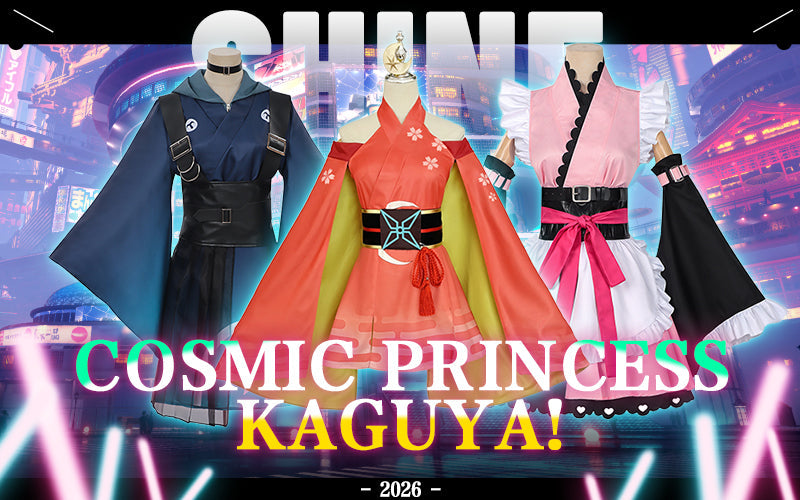
When the theme song, crafted by ryo (supercell) and performed by Yuko Natsuyoshi, resonated through the virtual space of "Tsukuyomi," I knew that Shingo Yamashita had just set a new ceiling for animated cinema in 2026. The most breathtaking aspect of this masterpiece lies in how it seamlessly stitches a thousand-year-old lonely legend into the fabric of a modern Tokyo—a city overflowing with livestreams, algorithms, and virtual identities.
Breaking away from any previous adaptation, the film opens with a signature "Yamashita-style" visual punch. Kaguya’s birth is deconstructed as a massive data overflow: amidst the bustling streets of Shibuya, a mundane utility pole flickers in a glitchy frenzy, spitting out a sphere of iridescent light. This narrative choice, carrying a sense of "cyber-possession," shatters the traditional mythological lens, capturing the very breath of our era from the opening second.
The emotional core of the film thrives on the bond between high schooler Iroha Sakayori and Kaguya. Iroha serves as the anchor to the physical world, while Kaguya seeks a sense of belonging through music in virtual reality, creating a dynamic, living mirror between the two. Through extravagant digital compositing, Yamashita transforms "Tsukuyomi" into something far beyond a misty lunar palace; it is a kaleidoscopic sanctuary built from melodies by legendary Vocaloid producers, appearing even more vivid and "real" than reality itself.
A standout element is the film’s total reimagining of the "Lunar Forces." No longer celestial deities among the clouds, they are depicted as a cold, precise, and irresistible "system recovery program." As the story reaches its second half, the inevitable sense of farewell transcends simple melancholy; it becomes a struggle for the dignity of a living soul refusing to be "formatted" by the system. This defiance peaks during the climactic concert, where every frame of color explosion screams a singular truth: even if destined for reclamation, one must make the most deafening noise before vanishing.
Cosmic Princess Kaguya! serves as definitive proof that classics endure because they always find new vessels. In this year of 2026, where cutting-edge technology coexists with profound isolation, Shingo Yamashita has used the most avant-garde visual language to tell the purest story of all: the simple desire to "stay by your side."
